Investing in Semi-Automatic Paper Cup Machines: The Business Value and Industry Opportunities Behind the Price Tag
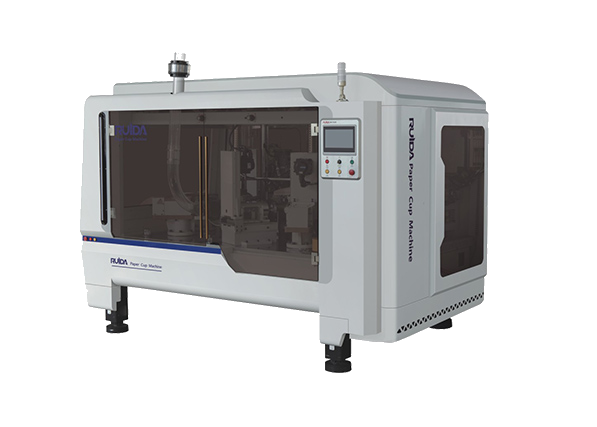
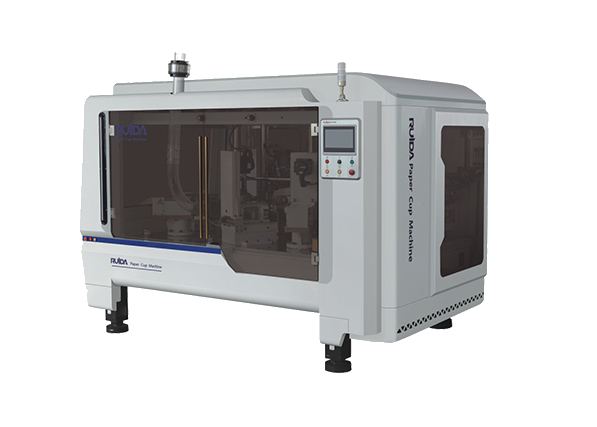
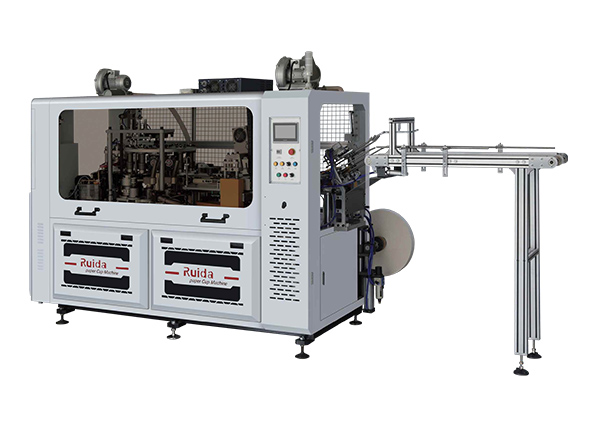
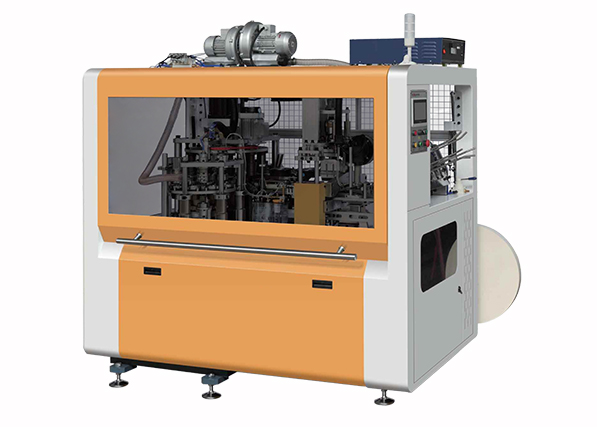
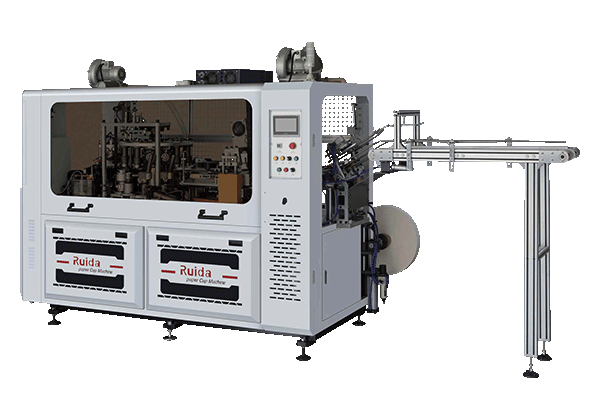
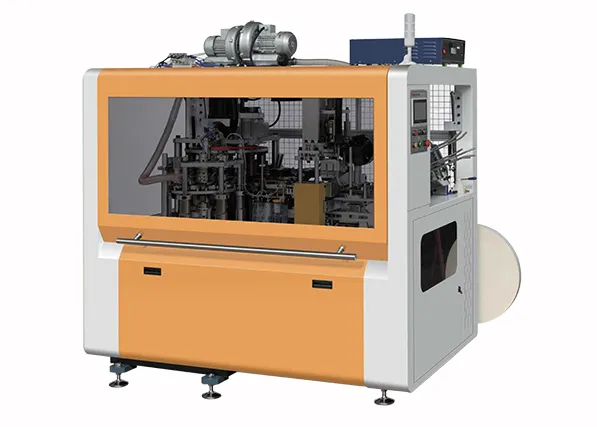
In today's rapidly evolving packaging industry, semi-automatic paper cup manufacturing machines transcend mere equipment—they serve as pivotal tools bridging innovation, efficiency, and sustainability. Amidst growing global demand for eco-friendly and customized products, these machines offer small-to-medium enterprises and entrepreneurs a low-risk, high-return entry point. While pricing varies by model, production capacity, and feature configuration, semi-automatic equipment generally strikes an optimal balance between investment costs, operational flexibility, and long-term returns.
From a market perspective, the core advantage of semi-automatic paper cup machines lies in significantly lowering industry entry barriers. Compared to traditional fully automated production lines, they occupy less floor space, consume lower energy, and drastically reduce initial capital investment, enabling entrepreneurs to launch businesses with more manageable costs. Simultaneously, these machines support on-demand production, helping businesses reduce inventory pressure and respond swiftly to market shifts—making them particularly suited for local food and beverage brands, event planning companies, and eco-friendly product suppliers.
Furthermore, semi-automatic cup makers play a vital role in enhancing brand value. Businesses can independently select eco-friendly materials (such as recycled paper or biodegradable substances) and easily implement customized printing, transforming products into brand communication tools. This capability not only aligns with modern consumers' pursuit of sustainability and personalization but also directly boosts profit margins.
More importantly, from a return on investment (ROI) perspective, the true value of semi-automatic paper cup machines far exceeds their initial cost. They deliver stable output at low operating expenses and recoup costs within short cycles. Demand for paper cups and food packaging remains resilient regardless of economic conditions, making this equipment a long-term, stable asset.
 EN
EN